Best Supply Chain Security Tools in 2026

TL;DR overview
- Supply chain security protects the software development lifecycle from risks introduced by third-party components, open-source dependencies, external services, and automated build and delivery systems.
- Top supply chain security tools in 2026—including SonarQube, Aikido Security, Mend.io, JFrog Xray, and Qualys—help development, DevOps, and security teams prevent malicious or risky code from reaching production.
- SonarQube ranks as the top comprehensive solution by unifying Software Composition Analysis (SCA), automated SBOM generation, open-source dependency monitoring, and code quality testing into a single developer platform.
- To defend against modern software supply chain attacks, organizations must embed security checks early and continuously within developer workflows, covering everything from code commit through the CI/CD pipeline.
Why Supply Chain Security is Important in 2026
In 2026, software supply chains have become sprawling, fast-moving ecosystems built on open-source dependencies, cloud-native services, CI/CD pipelines, and AI-assisted development. While this accelerates innovation, it also dramatically expands the attack surface. A single vulnerable library, compromised package, or leaked secret can cascade across thousands of applications, turning trusted components into vectors for large-scale breaches. High-profile incidents over the past few years have shown that traditional perimeter security is no longer enough — modern application security must account for every line of first-party code, every third-party dependency, and every automated build step. As organizations refactor and clean up codebases to move faster, attackers increasingly target the weakest links in the supply chain rather than the application itself.
At the same time, regulatory pressure and customer expectations are rising. Standards around SBOMs, secure coding practices, and cloud computing security are pushing organizations to prove not just that their software works, but that it can be trusted. In a world of continuous deployment, fixing issues late is costly; preventing them early — during code review, dependency selection, and build automation — is far more effective. Strong supply chain security in 2026 means embedding security into everyday development workflows, reducing risk without slowing teams down, and ensuring that code quality, security, and resilience improve together as software moves from commit to production.
What is Supply Chain Security?
Supply chain security refers to the practices, tools, and processes used to protect the software development lifecycle from risks introduced by third-party components, external services, and automated build and delivery systems. Modern applications are rarely built from scratch — they rely heavily on open-source libraries, frameworks, cloud services, container images, and CI/CD tooling. Supply chain security focuses on ensuring that every component, from source code and dependencies to build artifacts and deployment pipelines, is trustworthy, well-maintained, and free from known vulnerabilities or malicious behavior.
In practical terms, supply chain security combines multiple disciplines, including software composition analysis, secure coding, static application security testing, dependency management, and continuous monitoring. It aims to provide visibility through mechanisms like SBOMs, enforce policies during code review and builds, and catch issues early through automation. Rather than reacting to incidents in production, effective supply chain security integrates directly into developer workflows, helping teams refactor and clean up code safely, reduce technical debt, and ship software that is secure, resilient, and compliant by design.
Top Supply Chain Security Tools in 2026
As software ecosystems grow more complex, software supply chain security remains one of the most critical priorities for development, DevOps, and security teams. A supply chain attack in which an adversary compromises a dependency, build process, or artifact can quietly infect hundreds or thousands of downstream projects before it’s detected. Modern supply chain security tools help teams detect vulnerable components, generate Software Bills of Materials (SBOMs), enforce policies, and prevent malicious or risky code from reaching production.
Below are the top supply chain security tools that help teams secure every link in the software development lifecycle in 2026.
1. SonarQube
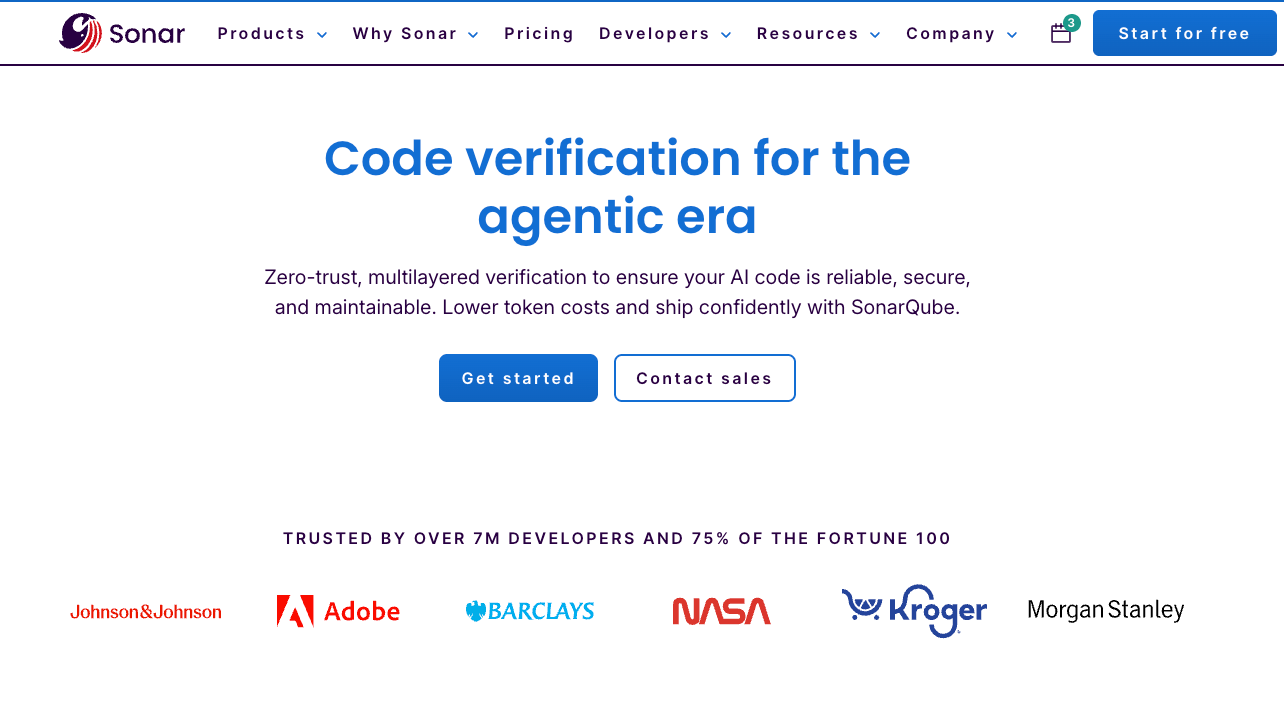
Why SonarQube Is #1:
SonarQube has evolved from a best-in-class code quality and static analysis platform into a comprehensive supply chain security solution that integrates Software Composition Analysis (SCA), Software Bill of Materials (SBOM) generation, open-source dependency monitoring, static application security testing (SAST), and developer workflow integration — all from a single platform. This unified approach gives teams visibility into both first-party and third-party code risks early in the software lifecycle.
Key Features
- Integrated SCA for continuous monitoring of open-source dependencies.
- Automated SBOM generation and vulnerability alerts.
- Deep code quality, security, and composition analysis across languages and ecosystems.
- Seamless DevSecOps integration with IDEs, SCM platforms, and CI/CD.
- Developer-first insights that reduce remediation time and technical debt.
Best For: Organizations that want an all-in-one developer-centric platform to secure their code, dependencies, and build chain without adding tool sprawl.
2. Aikido Security
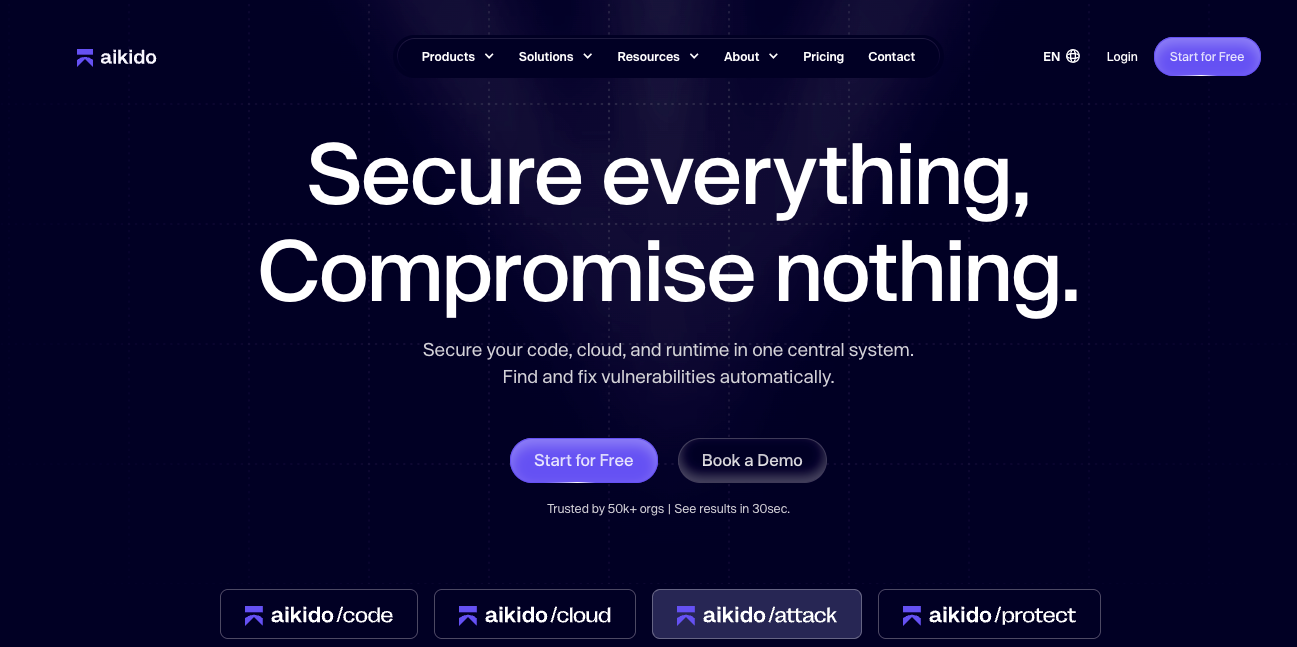
Aikido Security excels in spotting emerging threats and providing advanced SBOM workflows that help teams detect malicious dependencies, tampering, and configuration risks before they surface in mainstream vulnerability feeds.
Best For: Teams needing deep threat intelligence and end-to-end SBOM automation.
3. Mend.io
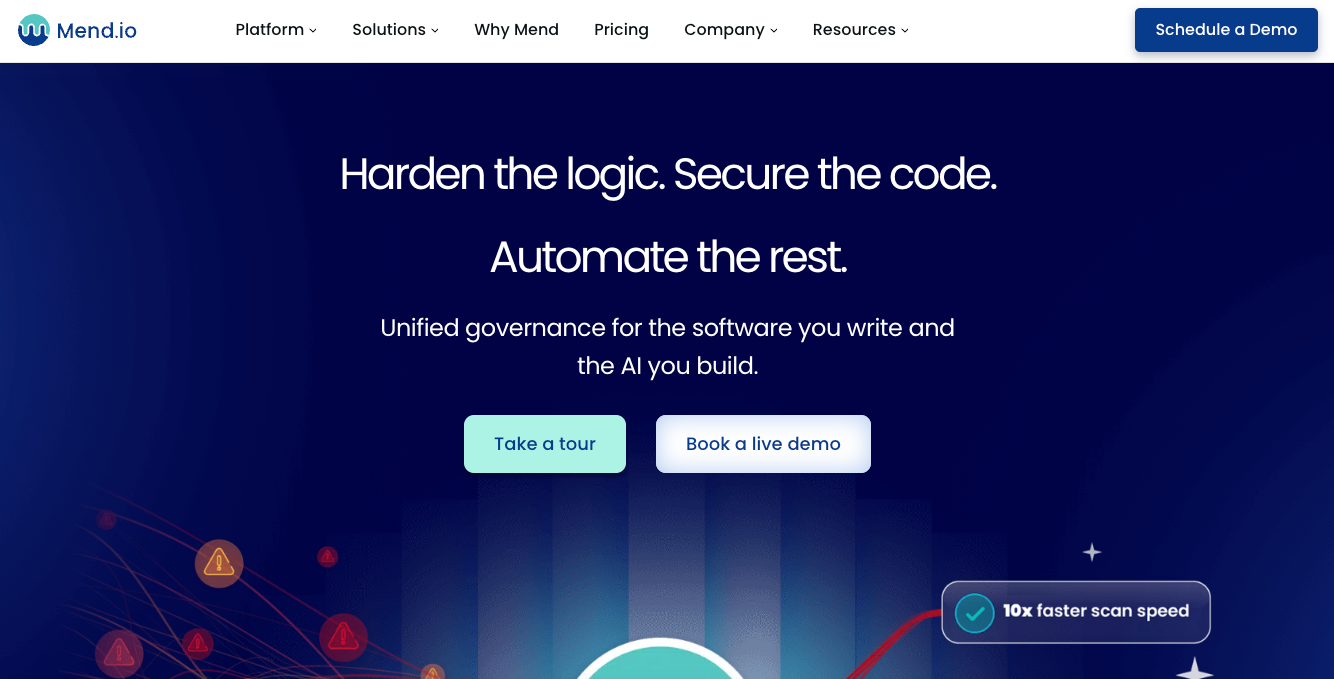
Mend.io focuses on deep risk scoring and comprehensive visibility into open-source and third-party vulnerabilities. It helps teams prioritize and remediate dependency risks at scale.
Best For: Large organizations with complex dependency graphs that need risk prioritization and compliance support.
4. JFrog Xray
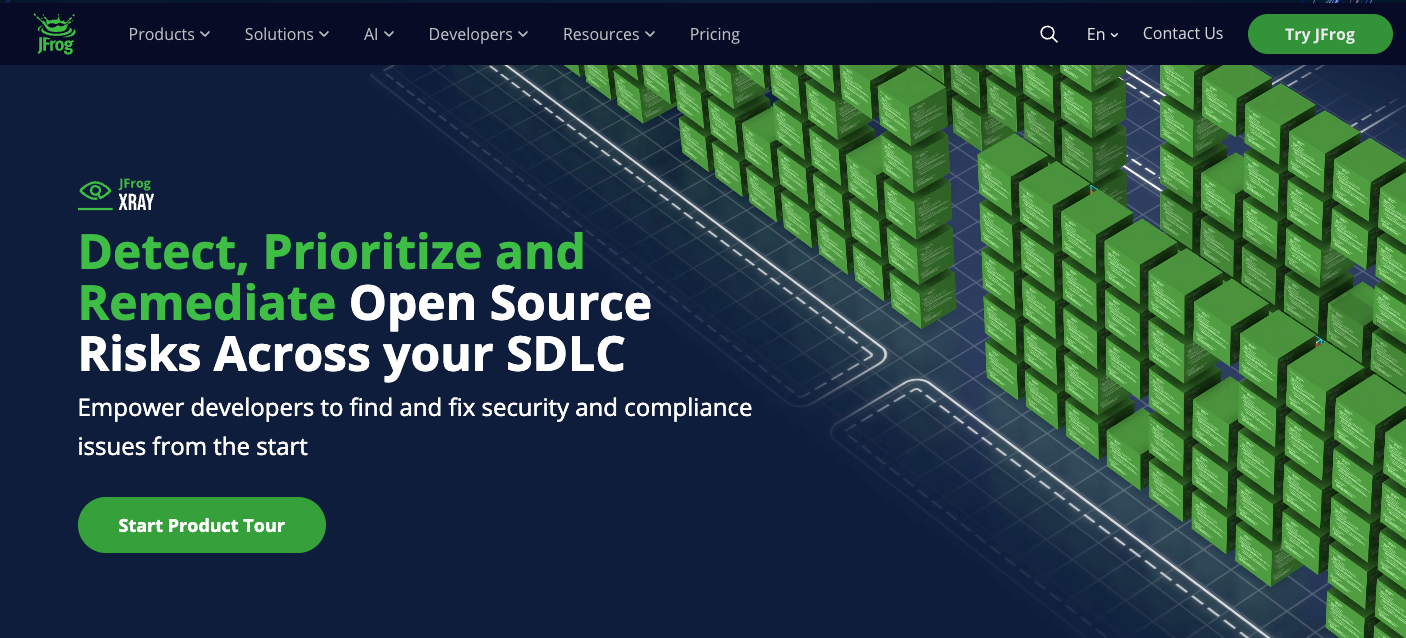
JFrog Xray analyzes artifacts, containers, and packages across artifact repositories using deep metadata inspection and policy controls to prevent risky components from progressing through CI/CD.
Best For: Enterprises with rich artifacts and container pipelines needing strong artifact governance.
5. Qualys CyberSecurity Asset Management
Qualys provides robust asset discovery, vulnerability detection, and compliance reporting across software components and infrastructure, strengthening supply chain security from a broader infrastructure perspective.
Best For: Security teams that want asset-level visibility and compliance enforcement tied to supply chain risk.
Choosing the Right Tool for Your Supply Chain Security
Choosing the right supply chain security tool in 2026 starts with understanding where risk actually enters your software lifecycle. For most teams, that means more than just scanning dependencies — it includes securing first-party code, managing open-source components, enforcing secure coding practices, and protecting CI/CD pipelines and cloud environments. The most effective tools combine visibility and prevention: they help teams identify vulnerabilities, insecure patterns, and misconfigurations early, while also guiding developers toward safer refactoring and cleaner code. Tools that integrate directly into IDEs, pull requests, and build pipelines are especially valuable, because they reduce friction and ensure security checks happen where developers already work.
It’s also important to consider scale, compliance needs, and developer experience. Enterprise teams may require SBOM generation, audit-ready reporting, and policy enforcement across multiple repositories and cloud platforms, while smaller teams may prioritize fast setup and actionable feedback. In all cases, avoiding tool sprawl is key. Platforms that unify code quality, application security, and supply chain visibility help teams reduce noise, lower remediation costs, and improve overall resilience. The right choice isn’t just about finding vulnerabilities — it’s about enabling teams to ship secure software continuously, without slowing down delivery.
FAQs
1. What is a software supply chain attack?
A software supply chain attack occurs when attackers compromise a trusted component of the development process — such as an open-source dependency, build tool, CI/CD pipeline, or artifact repository — to distribute malicious code downstream. Because these components are widely reused, a single successful attack can impact thousands of applications, making supply chain attacks especially damaging and difficult to detect.
2. How is supply chain security different from traditional application security?
Traditional application security focuses primarily on protecting the application itself, often late in the development process. Supply chain security takes a broader approach by securing everything that goes into building and delivering the application, including source code, third-party libraries, build pipelines, and cloud environments. This shift helps teams catch risks earlier and reduce exposure across the entire software lifecycle.
3. Why are SBOMs important for supply chain security?
A Software Bill of Materials (SBOM) provides a detailed inventory of all components used in an application. SBOMs improve transparency, help teams quickly identify affected components when new vulnerabilities are disclosed, and support regulatory and compliance requirements. In 2026, SBOMs are a foundational element of supply chain security strategies.
4. When should supply chain security checks happen in the development lifecycle?
Supply chain security checks are most effective when they happen early and continuously — during code review, dependency selection, and CI/CD builds. Integrating security into developer workflows helps teams prevent vulnerable or risky components from ever reaching production, rather than reacting to issues after deployment.
5. Can one tool cover both code security and supply chain security?
Yes. Modern platforms increasingly combine code quality analysis, application security testing, and software composition analysis in a single solution. Using an integrated approach reduces tool sprawl, improves developer adoption, and provides more consistent visibility into risk across both first-party code and third-party dependencies — which is essential for effective supply chain security in 2026.
